Yi Unicode Script
The Yi script, also known as the Nüshu script, is an intriguing and historic writing system primarily used by the Yi people, who reside in the Liangshan Yi Autonomous Prefecture in Sichuan, China, as well as in some parts of Yunnan and Guizhou provinces. Recognized for its unique and complex structure, the Yi script is one of the few indigenous scripts used in China. It is syllabic in nature, composed of over 1,000 characters that encompass the phonetic landscape of the Yi languages. These languages belong to the Sino-Tibetan family, and the script is divided into two major versions: the Classical script, used in literature and religious texts, and the Modern standard, which has been simplified for contemporary use and is often employed in education and official documents.
Developed independently from Chinese characters, the Yi script stands out due to its distinct geometric and often ornate characters. It was standardized in the 1970s as part of a movement to promote literacy and education among the Yi people. In 2000, the Yi script was incorporated into the Unicode Standard (starting from Unicode version 3.0) under the block named "Yi Syllables" and "Yi Radicals," further allowing digital representation and preservation of Yi cultural heritage. The inclusion in Unicode ensures that this rich and historically significant script can be used in modern computer systems, thus aiding in the cultural expression, education, and communication among Yi communities and beyond.
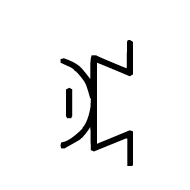
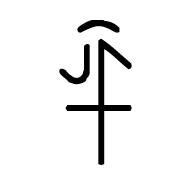
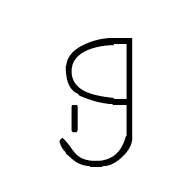
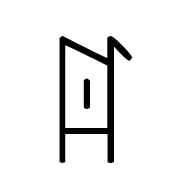
Below you will find all the characters that are in the 'Yi' unicode script category. Currently there are 1220 characters in this category.