Masaram Gondi Unicode Block
The Masaram Gondi Unicode block is a dedicated range within the Unicode Standard that was created to support the Masaram Gondi script, an abugida used primarily for writing the Gondi language. The Gondi language is spoken by the Gondi people, an indigenous community in central India, mainly across the states of Madhya Pradesh, Maharashtra, Chhattisgarh, Andhra Pradesh, and Telangana. The Masaram Gondi script was devised by Munshi Mangal Singh Masaram in the early 20th century, with the aim of providing a written form for the Gondi language that could accommodate its linguistic nuances. The inclusion of the Masaram Gondi block in Unicode facilitates the digital representation and preservation of this culturally and linguistically significant script, promoting its use in technology and digital communication.
Spanning from U+11D00 to U+11D5F, the Masaram Gondi Unicode block encompasses a rich array of characters that cater to the script's phonetic and orthographic demands. It includes distinct categories of characters, such as consonants, vowels, vowel signs, and various diacritical marks required for expressing the complex sounds of the Gondi language. The advent of the Masaram Gondi block in Unicode not only aids linguists, researchers, and software developers in accurately representing Gondi text in digital forms but also empowers the Gondi community to utilize technological platforms to record and share their language and culture. This digital representation supports educational initiatives, content creation, and the overall revitalization and sustainment of the script among both native speakers and the academic community interested in Dravidian linguistics and scripts.
View a range of fonts that support the Masaram Gondi block.
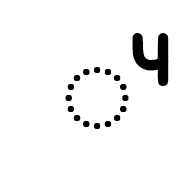
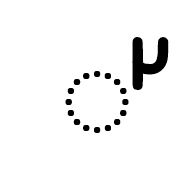
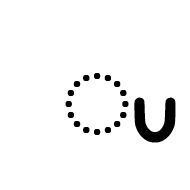
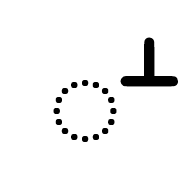
Below you will find all the characters that are in the Masaram Gondi unicode block. Currently there are 75 characters in this block.