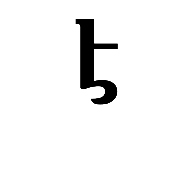
Armenian Unicode Script
The Armenian script is a unique and integral part of global writing systems, primarily used for the Armenian language. Developed in the early 5th century by the monk and scholar Mesrop Mashtots, the script was a crucial element in unifying the national identity of the Armenian people and fostering a distinct literary tradition. It consists of 39 letters, each with its own distinctive shape, serving both phonetic and alphabetic functions. The script is characterized by its elegant curves and is visually distinguishable due to the presence of straight lines and multiple forms for certain letters, reflecting the rich historical and cultural essence of its origins. Its design not only facilitated the transcription of Armenian sounds and spoken nuances but also enhanced the ability of Armenians to translate important religious and philosophical texts, thereby intertwining the script with the spread of literacy and Christianity in Armenia.
Over the centuries, the Armenian script has maintained its relevance and continues to be a symbol of cultural pride and continuity for Armenians worldwide. It has adapted over time while preserving its classical forms, allowing for modern linguistic developments and the inclusion of foreign terms. The Armenian Unicode block, an important part of digital text processing today, ensures that the script is represented on digital platforms, providing a seamless experience for Armenian speakers in the digital age. Furthermore, the resilient nature of the script, through centuries of upheaval and diaspora, underscores its role in preserving the Armenian language against the backdrop of globalization. Overall, the Armenian script embodies not only a method of communication but also a living heritage, symbolizing the storied past and dynamic future of the Armenian people.
Below you will find all the characters that are in the 'Armenian' unicode script category. Currently there are 100 characters in this category.